Manufacturing


Exhibition Preview | Zhejiang Tengke Hydraulics sincerely invites you to visit PTC ASIA 2026!
The 30th Asian International Power Transmission and Control Technology Exhibition (PTC ASIA 2026) ⏰ Time: November 3-6, 2026 Venue: Shanghai New International Expo Center Zhejiang Tengke Hydraulic Machinery Co., Ltd. Booth number: E6-G5-2 The Asian power transmission industry event is about to kick off! Zhejiang Tengke Hydraulics will bring hydraulic related products to this PTC exhibition. We look forward to face-to-face communication with new and old customers and industry partners to discuss technology and discuss new opportunities in the industry. In Shanghai in November, we are waiting for your arrival at booth E6-G5-2!
The 30th Asian International Power Transmission and Control Technology Exhibition (PTC ASIA 2026) ⏰ Time: November 3-6, 2026 Venue: Shanghai New International Expo Center Zhejiang Tengke Hydraulic Machinery Co., Ltd. Booth number: E6-G5-2 The Asian power transmission industry event is about to kick off! Zhejiang Tengke Hydraulics will bring hydraulic related products to this PTC exhibition. We look forward to face-to-face communication with new and old customers and industry partners to discuss technology and discuss new opportunities in the industry. In Shanghai in November, we are waiting for your arrival at booth E6-G5-2!
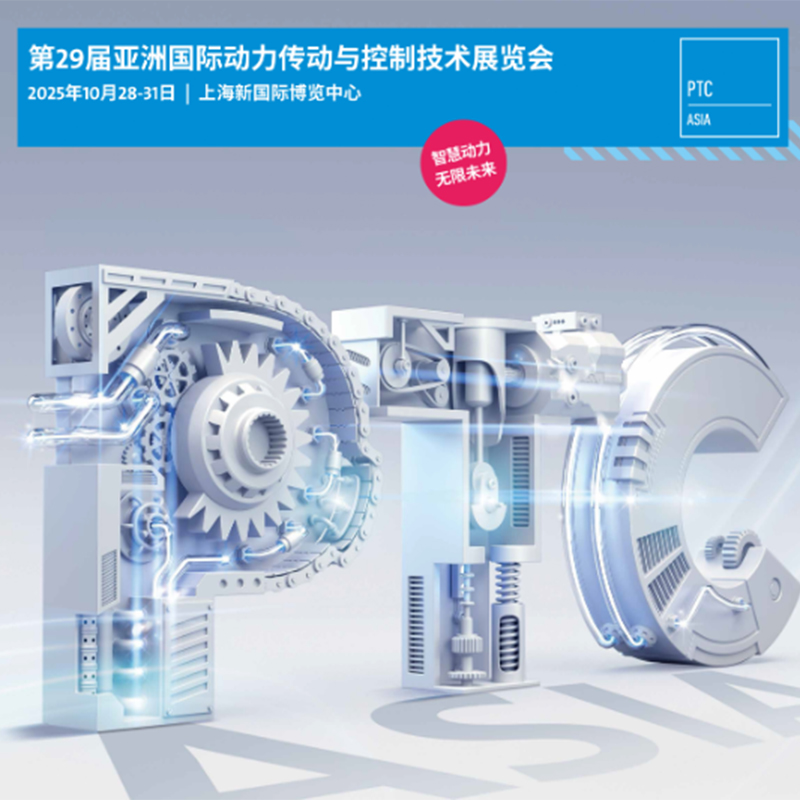
READ MOREFrom October 28th to 31st, 2025, the 29th Asian International Power Transmission and Control Technology Exhibition (PTC ASIA) opened grandly at the Shanghai New International Expo Center. As a benchmark event for the power transmission industry in the Asia-Pacific region, this exhibition brings toge
From October 28th to 31st, 2025, the 29th Asian International Power Transmission and Control Technology Exhibition (PTC ASIA) opened grandly at the Shanghai New International Expo Center. As a benchmark event for the power transmission industry in the Asia-Pacific region, this exhibition brings toge
READ MOREIs the valve core of single-head solenoid valve positive and negative?
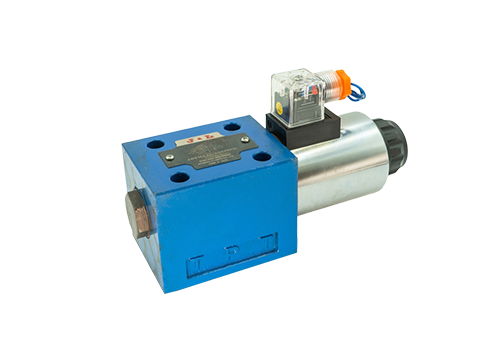
The valve core of the single-head solenoid directional valve has a clear positive and negative direction, and it must not be installed at will. Reverse installation will directly lead to spring return failure, oil circuit logic disorder, and even failure to work properly at all. The core structure determines the directionality of the single-head electromagnetic reversing valve. Only one side is equipped with an electromagnet, and the other side is the 'spring return chamber'. The structure of the two ends of the valve core is completely asymmetrical: at the end close to the electromagnet, the valve core push rod is in direct contact with the electromagnet push rod. The end face size and push rod length accurately match the electromagnet stroke. At one end close to the spring side, the valve core has a spring positioning step for inserting the return spring. The diameter and depth of the step fully match the spring seat. After being forcibly installed in the reverse direction, either the electromagnet push rod cannot contact the valve core and cannot push the valve core to change direction after power is turned on; or the spring cannot snap into the positioning step, and the valve core cannot automatically reset after power is cut off, and is directly stuck in the power-on position. ⚠️ The valve core shoulder space of the directional single-head solenoid directional valve with matching function
The valve core of the single-head solenoid directional valve has a clear positive and negative direction, and it must not be installed at will. Reverse installation will directly lead to spring return failure, oil circuit logic disorder, and even failure to work properly at all. The core structure determines the directionality of the single-head electromagnetic reversing valve. Only one side is equipped with an electromagnet, and the other side is the 'spring return chamber'. The structure of the two ends of the valve core is completely asymmetrical: at the end close to the electromagnet, the valve core push rod is in direct contact with the electromagnet push rod. The end face size and push rod length accurately match the electromagnet stroke. At one end close to the spring side, the valve core has a spring positioning step for inserting the return spring. The diameter and depth of the step fully match the spring seat. After being forcibly installed in the reverse direction, either the electromagnet push rod cannot contact the valve core and cannot push the valve core to change direction after power is turned on; or the spring cannot snap into the positioning step, and the valve core cannot automatically reset after power is cut off, and is directly stuck in the power-on position. ⚠️ The valve core shoulder space of the directional single-head solenoid directional valve with matching function
READ MORE