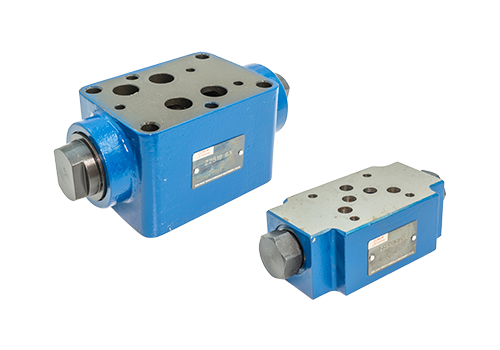
2025-08-14 The superimposed hydraulic control check valve is a hydraulic component that combines the function of the hydraulic control check valve with the design concept of the superimposed valve. It has the characteristics of compact structure, convenient installation, high integration and flexible control. It is widely used in hydraulic systems where one-way locking, pressure holding or reverse opening is required. The following is a detailed analysis of its structural characteristics: 1. Overall structural features, superimposed design modular structure: consists of valve body, control cover plate, spring, valve core, seal and other components. Each functional module (such as one-way valve, control oil circuit) is integrated into one valve body and is installed vertically through a standard installation surface (such as ISO 4401 or DIN 24340) with other superimposed valves (such as reversing valves, pressure valves). Installation convenience: No separate pipe is required, it is directly fixed to the bottom plate of the valve group by bolts, reducing leakage points and shortening system assembly time. Standard ports for multi-port configuration: usually include oil inlet (P), oil outlet (A), and control port (X)
Read More 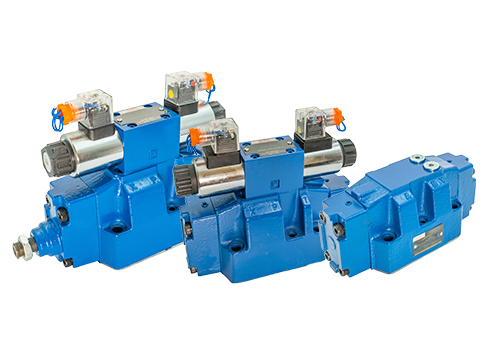
2025-08-11 4WEH16 electro-hydraulic reversing valve is a reversing valve that combines electromagnetic control and hydraulic drive. It is widely used in industrial hydraulic systems and is used to control the flow direction, pressure or flow rate of oil. Its installation must strictly follow specifications to ensure stable performance and avoid leakage or failure. The following are detailed installation steps and precautions: 1. Prepare the environment to check the cleanliness before installation: The installation area must be free of dust, oil, metal chips and other impurities to avoid entering the valve body and causing stagnation or wear. Temperature and humidity: The ambient temperature should be between -10℃~+50℃, and the humidity should be ≤85%, to prevent electrical components from getting damp or hydraulic oil from solidifying. Vibration and impact: Avoid installation near vibration sources (such as motors, pumps) to prevent valve core from being offset or damaged due to vibration. Equipment checks the appearance of the valve body: Check that the valve body, solenoid, pilot valve and other components are free of cracks, deformation or bump damage. Seals: Make sure that O-rings, gaskets, etc. are not aging or damaged, and replace new parts if necessary.
Read More 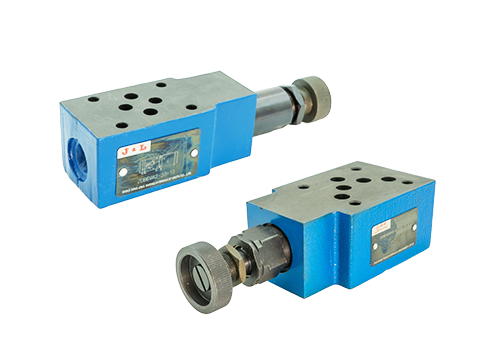
2025-08-05 The superimposed relief valve is a hydraulic control element that integrates the overflow function with the superimposed valve plate. It is widely used in hydraulic systems for pressure regulation, overload protection and system unloading. Its common faults are usually related to pressure instability, leakage, abnormal noise or failure of operation. The following details are explained in detail from three aspects: failure phenomenon, cause analysis and removal methods: 1. Pressure instability (system pressure fluctuates or cannot reach the set value) Fault phenomenon The system pressure fluctuates and is unable to stabilize at the set value. The actuator (such as a hydraulic cylinder) acts slowly or shakes. Cause analysis: The spring is fatigued or broken due to pressure regulating spring, resulting in insufficient preload. The spring seat is loose or stuck, affecting pressure regulation. Spool malfunctions The valve core is worn or woven, causing leakage or stagnation. The conical surface of the valve core is not tightly sealed, causing internal leakage. The damping hole blocks the damping hole is blocked by impurities in the oil, affecting pressure feedback. Oil contaminates the oil to mix particles, moisture or air, resulting in
Read More 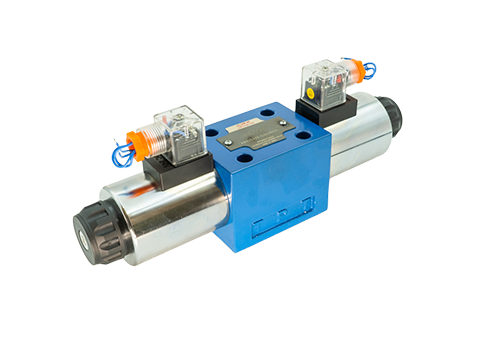
2025-08-01 4WE10 electromagnetic reversing valve is a directional control valve widely used in the field of industrial automation, and is a classic model in the Rexroth series. It drives the valve core movement through electromagnetic force to switch the oil flow direction in the hydraulic system, and has the characteristics of compact structure, fast response speed and high reliability. The following is its core application scope and industry case analysis: 1. Core application areas 1. Typical equipment of engineering machinery: Excavator: controls the expansion and contraction direction of hydraulic cylinders of booms, sticks, and buckets, and realizes excavation, rotation, walking and other actions. Loader: Switch the lifting and flip the oil circuit of the working device (such as the bucket) to adapt to loading and transportation scenarios. Crane: adjusts the hydraulic flow direction of the amplitude variable mechanism and the rotary mechanism, and controls the lifting and rotation of the boom. Advantages: High pressure bearing capacity: The 4WE10 valve body is made of high-strength cast iron or steel material, which can withstand system pressure up to 31.5MPa, adapt to the weight of construction machinery
Read More 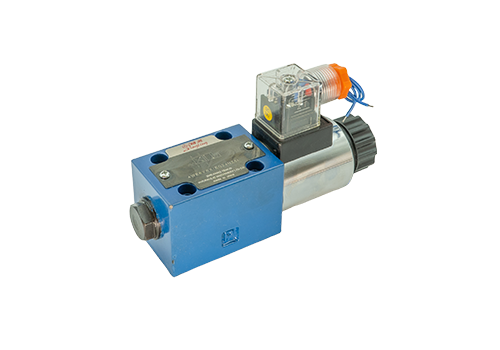
2025-07-30 Single-head electromagnetic reversing valve is an automation basic component that controls the flow direction of fluid (liquid or gas) through electromagnetic force, and is widely used in hydraulic systems, pneumatic systems and industrial automation equipment. Its core function is to switch the valve core position through the on-off power of the solenoid, thereby changing the channel of the fluid and realizing the reversal, start-stop or pressure control of the fluid. The following is its detailed working principle and analysis of key components: 1. The basic structure consists of a single-head solenoid reversing valve. It is usually composed of the following core components: an electromagnetic: including a coil, a core and an armature. When powered on, an electromagnetic force is generated and the valve core is driven to move. It is divided into two types: DC (DC) and AC (AC), and DC electromagnets respond faster and have lower noise. Valve body: There are multiple flow channels (such as oil inlet P, working port A/B, and oil return port T) internally to form a fluid passage. The material is usually high-strength cast iron or stainless steel to withstand high pressure and corrosive media. Valve spool: cylindrical or conical structure
Read More 2025-07-25 4WEH16 electro-hydraulic reversing valve is a medium and high-pressure reversing valve that combines electromagnetic control and hydraulic drive. It is widely used in construction machinery, metallurgical equipment, plastic machinery and other scenarios where hydraulic oil flow direction and pressure are required to accurately control. Its core function is to control the valve core position through the on-off power of the solenoid to realize the start, stop, reversal and flow adjustment of the hydraulic system. The following are its detailed usage methods and precautions: 1. Structure and working principle Basic structure valve body: high-strength cast iron or steel structure, withstand high pressure (usually 31.5MPa/40MPa optional). Valve spool: conical valve or slide valve design, position switching is achieved through solenoid drive. Electromagnet: Wet electromagnet (protection level IP65), optionally available for AC (AC) or DC (DC). Pilot control: Some models of integrated pilot valves control the operation of the main valve core through small flow rate to reduce the power demand of the solenoid. Manual emergency device: equipped with manual reversing rod
Read More 


